Generator fuel failed testing? Call PFP for fuel polishing & tank cleaning.
View details on our diesel fuel polishing and tank cleaning services. We provide nationwide support for a wide variety of facilities.
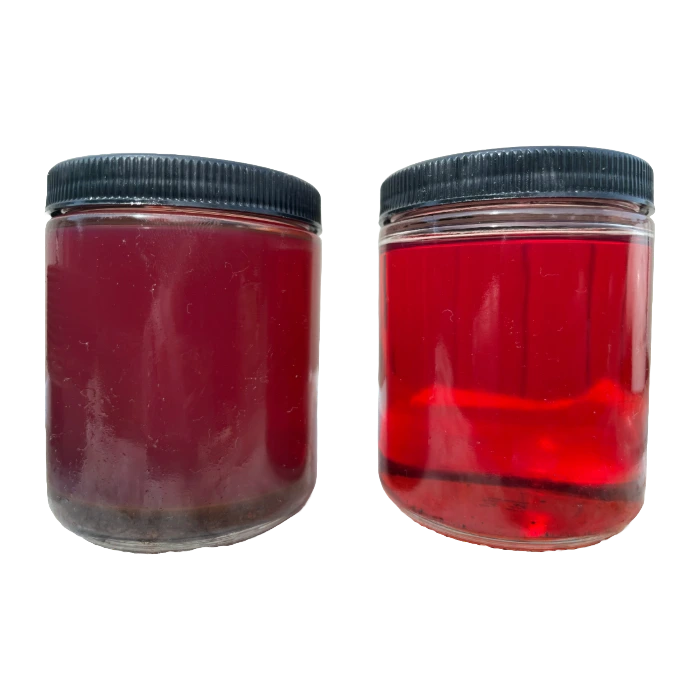
A failed diesel fuel quality test creates an immediate question for facility and maintenance team: what needs to happen to the fuel now?
For facilities that depend on standby diesel generators, off-specification fuel is more than a maintenance concern. Hospitals, data centers, industrial plants, utilities, telecommunications facilities, government sites and other critical operations may store thousands of gallons of diesel specifically for an emergency. If contamination has developed while that fuel sits in storage, it may not be ready when the generators are called into service.
The good news is that a failed fuel test does not necessarily mean an entire tank needs to be drained and the fuel discarded.
The appropriate respond depends on why the fuel failed, the type and severity of contamination, the condition of the storage tank, and the fuel-quality requirements of the equipment being supplied.
Understanding those factors is the first step toward determining whether the fuel can be cleaned and restored on-site.
Why Does Stored Generator Fuel Fail Quality Testing?
Diesel fuel begins its life as a refined product, but its condition can change considerably during transportation and long-term storage.
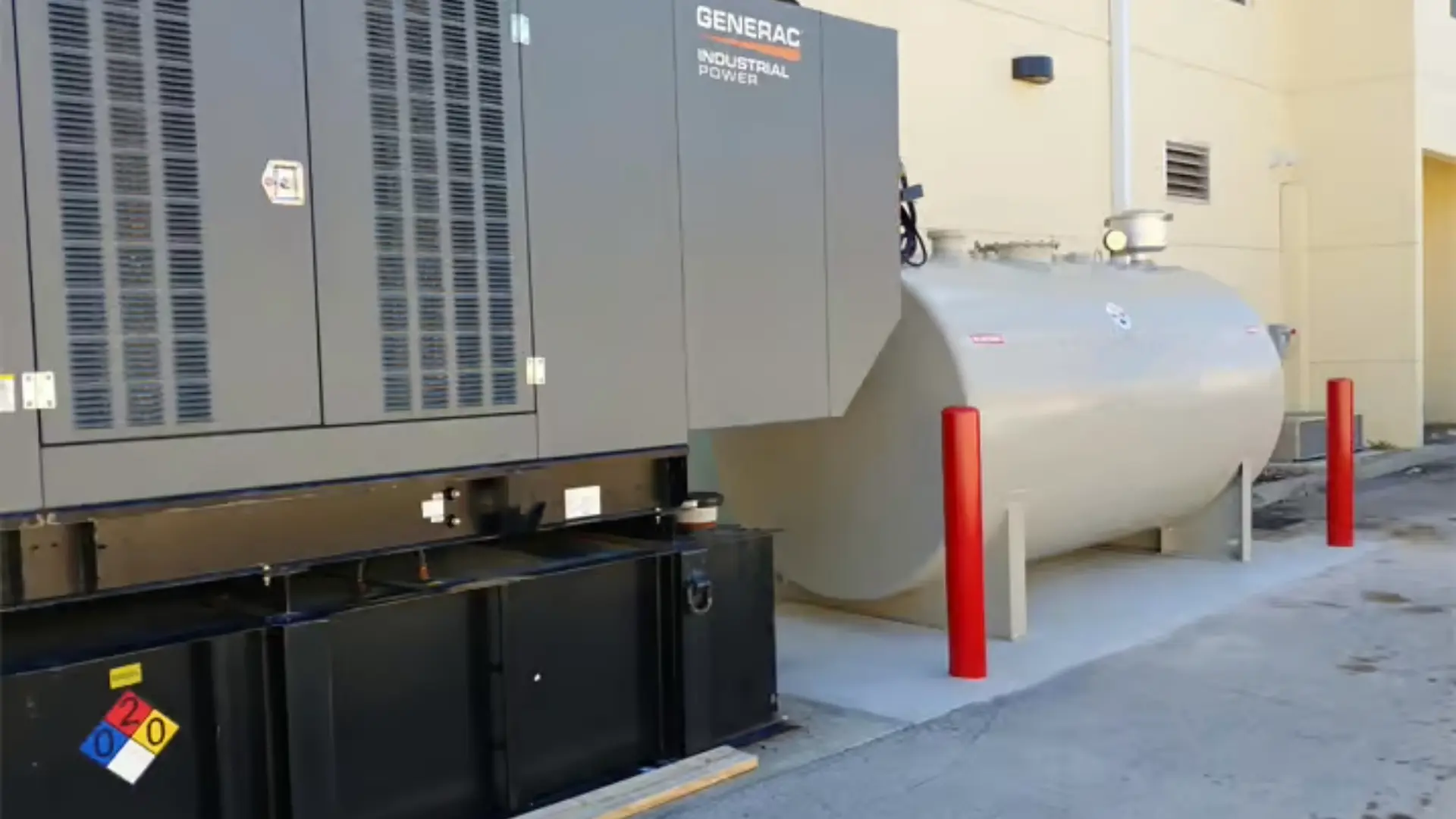
Fuel may sit in an emergency generator tank for months or even years with relatively little turnover. During that time, storage conditions can introduce or accelerate several forms of contamination.
Common problems include:
- Free water accumulating at the bottom of the tank
- Suspended water or haziness within the fuel
- Dirt, rust, and particulate contamination
- Tank-bottom sediment and sludge
- Bacterial and fungal growth
- Oxidation and degradation products
- Cross-contamination with another product
- Changes in fuel properties during prolonged storage
Water is particularly important because it creates several secondary problems.
ASTM D2709, a standard test method used to identify free water and sediment in middle-distillate fuels such as diesel, notes that appreciable water and sediment can cause fuel-system problems. Sediment can obstruct filters and fuel flow, while free water can contribute to corrosion and provide conditions that support microbiological growth.
In other words, finding water can indicate more than a water problem. It may be evidence of a developing contamination environment inside the tank.
First Step: Determine Why the Diesel Fuel Failed
“Failed fuel test” is not a diagnosis by itself.
Before deciding how the fuel should be treated, review the laboratory results and determine which parameter or parameters were outside the required limits.
ASTM D975, Standard Specification for Diesel Fuel, addresses numerous properties used to characterize diesel fuel, including:
- Water and sediment
- Flash point
- Viscosity
- Distillation
- Sulfur
- Cetane Number or Cetane Index
- Lubricity
- Cloud Point
- Carbon Residue
- Ash
- Copper Corrosion
- Conductivity
Not every failure can be corrected through filtration. That distinction is critical.
Problems Commonly Addressed Through Physical Fuel Remediation
1. Water Contamination
Free and disperzed water can often be separated from the diesel using properly configured water-removal equipment.
2. Suspended Particulate
Rust, dirt, tank scale, and other solids can typically be removed through staged particulate filtration.
3. Sediment and Sludge
Accumulated material may require both fuel circulation and direct attention to the tank bottom rather than simply filtering the cleaner fuel near the top of the tank.
4. Microbial Contamination
Bacteria and fungi commonly develop around fuel-water interfaces. The resulting biomass and debris can be physically removed, although the underlying water source and tank contamination must also be addressed.
5. Other Failures Require Further Evaluation
A fuel sample that fails because of flash point, cetane, viscosity, excessive degradation, an incorrect fuel blend, or another fundamental chemical property should not automatically be treated as a filtration problem.
Filtration removes contaminants. It cannot simply transform an unsuitable fuel into a chemically different product.
This is why reviewing the complete analysis before selecting a remediation method is so important.
What Do Water, Sediment, and Microbial Contamination Mean for a Generator?
Emergency generators place a unique demand on stored fuel. Unlike equipment that consumes fuel continuously, a standby generator may spend most of its life waiting. When it is finally required, however, it is expected to start quickly and operate reliably under load.
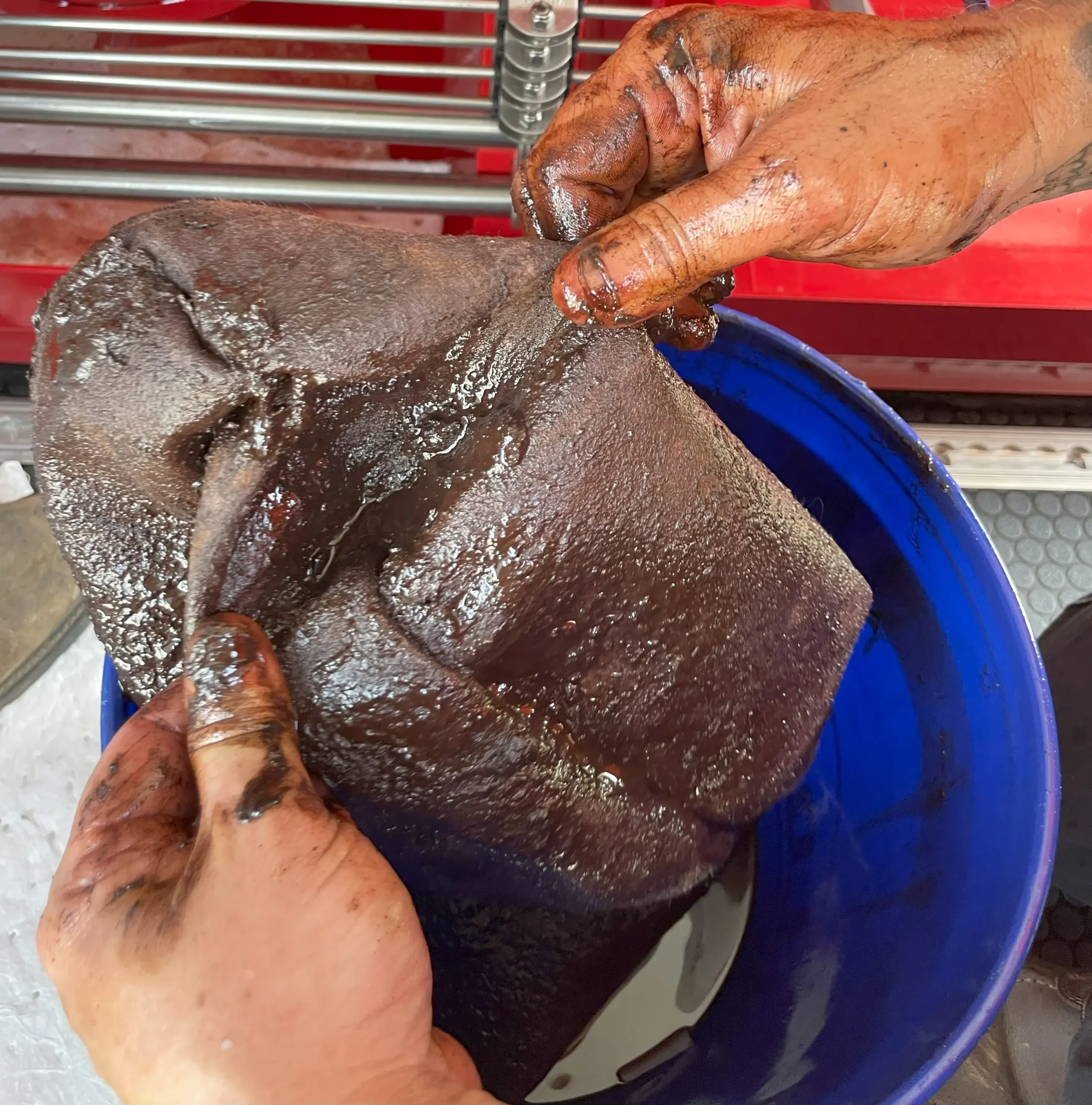
Heavy contamination can interfere with that process.
Water In Generator Fuel
Water can enter fuel-storage systems through condensation, damaged seals, vents, delivery contamination, tank intrusion or other sources.
Because water is denser than diesel, free water tends to settle toward low points in the storage tank. This makes the tank bottom one of the most important areas to evaluate when investigating contamination.
Water can contribute to:
- Internal tank corrosion
- Microbial growth
- Fuel haziness
- Premature filter loading
- Accumulation of contaminated tank-bottom material
Particulate & Sediment In Generator Fuel
Rust, dirt, corrosion products and degraded material can accumulate in stored fuel.
Once disturbed by fuel movement, filling or generator operation, this material can travel downstream into strainers, filters, pumps and fuel-system components.
A tank may therefore appear relatively stable while sitting idle but create a much different contamination load once the fuel begins moving.
Microbial Growth in Generator Fuel
Microbial contamination is often called “diesel bug,” although it can involve different bacteria, yeasts and fungi.
These organisms generally require water to grow. Fuel-water interfaces at the bottom of a storage tank can therefore become particularly problematic.
Microbial contamination can contribute to:
- Slime and biomass
- Tank-bottom sludge
- Filter plugging
- Corrosion
- Fuel-quality degradation
Simply removing a contaminated sample from the top of the tank may not reveal the full condition of the system.
Does Failed Generator Fuel Need to Be Replaced?
Not necessarily.
When diesel fails because of removable physical contamination, recovering existing fuel may be considerably more practical than disposing of thousands of gallons and purchasing replacement product.
The decision should consider:
- Total fuel volume
- Type of contamination
- Severity of contamination
- Laboratory results
- Tank condition
- Age and history of the fuel
- Generator manufacturer requirements
- Applicable facility standards
- Required final fuel specifications
- Cost and logistics of disposal and replacement
For example, a large tank containing otherwise usable diesel with elevated particulate, free water, and tank-bottom contamination presents a fundamentally different situation from fuel that has been accidentally mixed with another product or has experienced severe chemical degradation.
The first may be a strong candidate for on-site remediation.
The second requires additional evaluation before any decision is made.
Do not assume that visually dirty fuel must be discarded, and do not assume that every laboratory failure can be corrected by filtering it.
The laboratory data should guide the remediation strategy.
When the Tank Is Part of the Problem
One of the most common mistakes when addressing contaminated generator fuel is focusing exclusively on the liquid.
The tank itself matters.
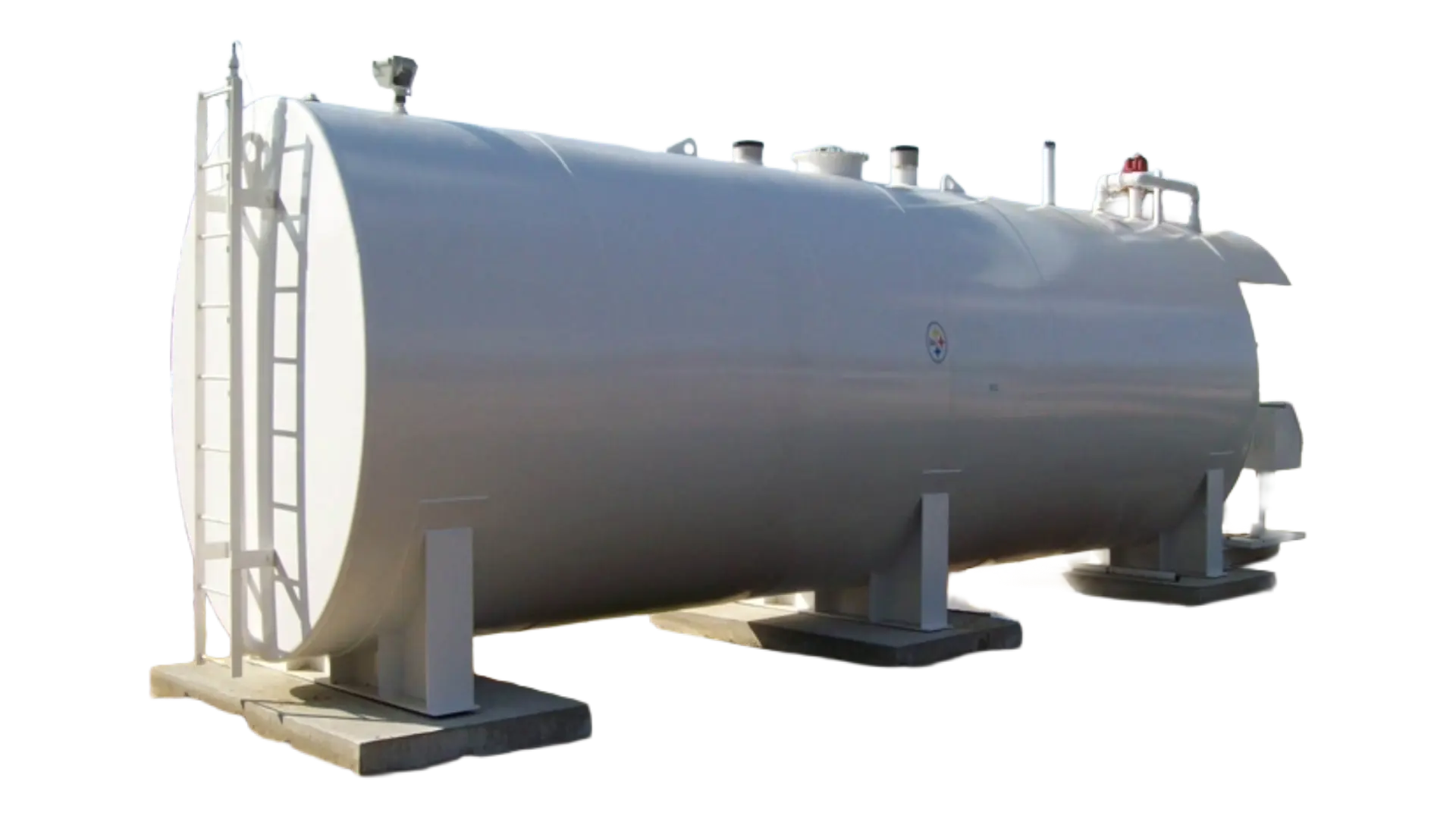
If water, rust, microbial material, and sludge have accumulated on the tank floor, cleaning the recirculating fuel without addressing the contamination reservoir can leave material behind.
That material can subsequently be disturbed and recontaminate the fuel.
This is particularly important for:
- Aboveground Storage Tanks (ASTs)
- Underground Storage Tanks (USTs)
- Generator Base Tanks
- Day Tanks
- Bulk Emergency-Fuel Storage
- Long-Term Standby Fuel Systems
The appropriate project may therefore involve a combination of fuel filtration, water separation, circulation, and tank cleaning.
The objective is to improve the condition of the stored fuel system as a whole.
What Happens During On-Site Diesel Fuel Polishing?
For contamination involving water, particulate, sediment or microbial debris, the fuel can often be circulated through an external treatment system while it remains at the facility.
A properly designed system may use several treatment stages depending on the contamination.
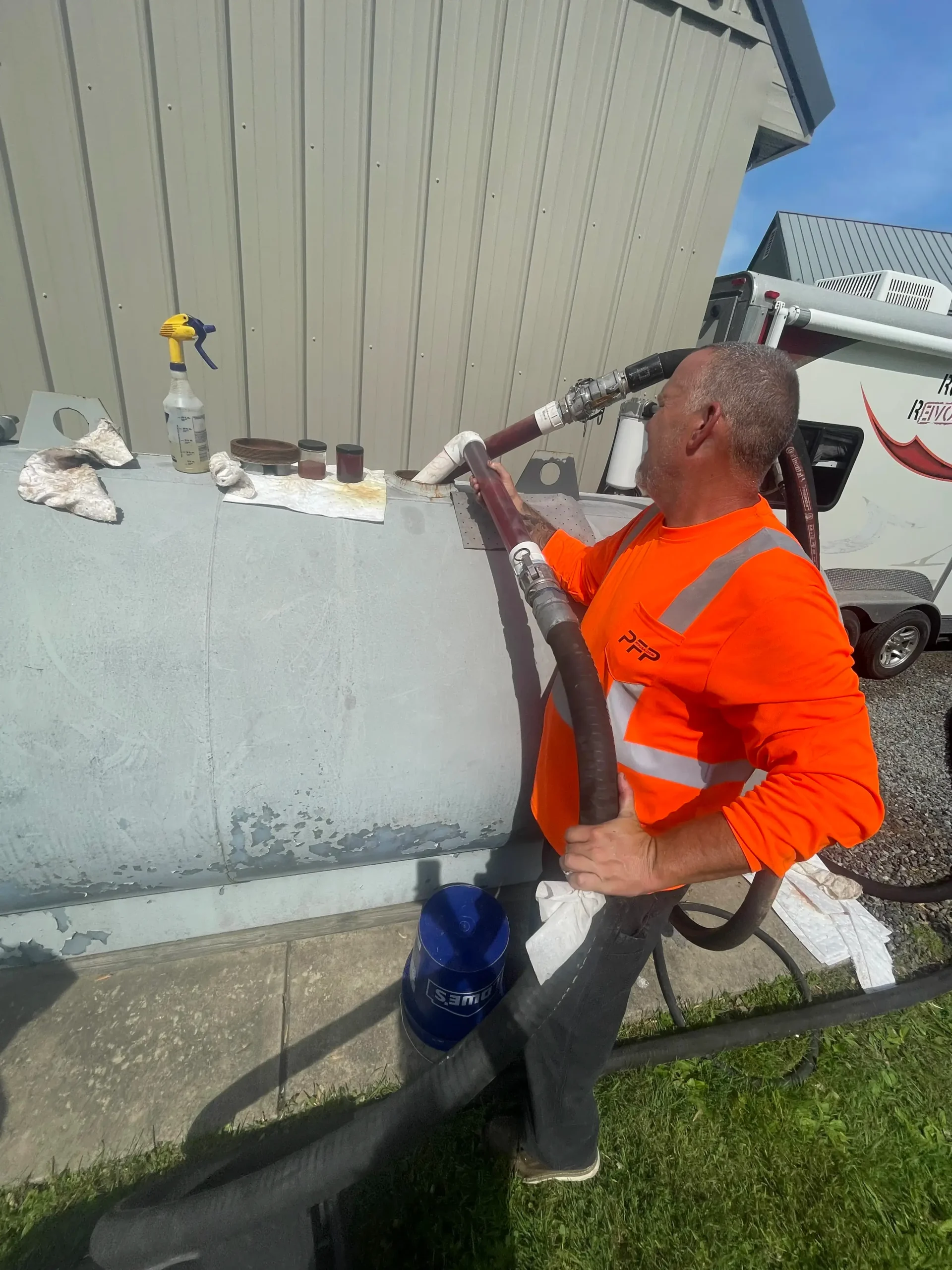
A typical approach can include:
- Initial fuel sampling and assessment to establish the existing condition.
- Removal of accumulated water and heavy tank-bottom contamination where required.
- Coarse pre-filtration to capture larger debris and protect downstream elements.
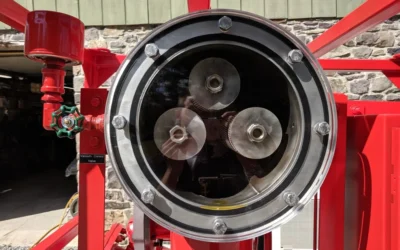
- Water separation using equipment selected for the condition of the fuel.
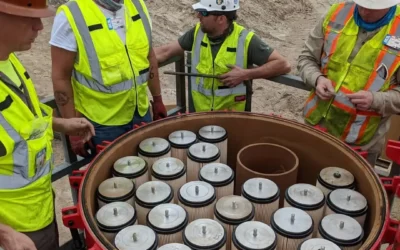
- Fine particulate filtration to progressively reduce suspended solids.
- Recirculation of the tank volume to continually transport contamination to the external filtration equipment.
- Additional tank-bottom cleaning where settled sludge or sediment cannot be adequately addressed by circulation alone.
- Post-service sampling or laboratory analysis when verification is required.
The exact configuration should be determined by the tank, fuel condition, contamination type, access points and desired final specification.
There is no single filter-element micron rating or universal number of tank turnovers that is correct for every project.
A lightly contaminated 500-gallon generator tank and a heavily contaminated 15,000-gallon bulk storage tank should not automatically receive the same treatment plan.
Why Flow Rate and Tank Turnover Matter
Large-volume fuel projects require more than simply achieving a fine filtration rating.
Flow rate determines how quickly the tank inventory can be processed.
A useful planning relationship is:
Tank Turnover Time = Tank Volume ÷ Effective Flow Rate
For example, ignoring operational losses and restrictions:
- 1,000 gallons at 20 GPM = approximately 50 minutes per nominal turnover
- 5,000 gallons at 50 GPM = approximately 100 minutes per nominal turnover
- 10,000 gallons at 100 GPM = approximately 100 minutes per nominal turnover
- 15,000 gallons at 100 GPM = approximately 150 minutes per nominal turnover
But a “turnover” should not be mistaken for a guarantee that every gallon has passed through the filter exactly once.
Tank geometry, suction and return locations, baffling, contamination settling, fluid mixing, system restrictions and changing filter differential pressure all affect real-world circulation.
For heavily contaminated tanks, treatment duration should therefore be determined by actual fuel condition and project objectives—not an arbitrary number of theoretical turnovers.
This is especially important when comparing service providers solely on advertised pump capacity.
Higher flow does not automatically mean better cleaning if the filtration equipment, water-removal capability, hose configuration or tank access cannot effectively handle the contamination.
Addressing Diesel Fuel Contamination Across Several Generator Fuel Tanks
When the scope of the project involves several fuel tanks, logistics become particularly important. Large facilities rarely operate only one fuel-storage system.
A hospital campus, data center, industrial plant or other mission-critical site may have:
- Multiple emergency generators
- Separate generator base tanks
- Day tanks
- Several bulk storage tanks
- ASTs and USTs at different locations
- Independent emergency-power systems serving different buildings
If testing reveals contamination in one system, operators may elect to sample additional tanks—especially when those tanks have similar fuel age, maintenance history or environmental exposure.
That can turn what appears to be a single-tank maintenance issue into a site-wide fuel-quality project.
Mobile, Trailer-Mounted Equipment Can Simplify Multi-Tank Service
For facilities with several affected tanks, mobile equipment provides a major logistical advantage.
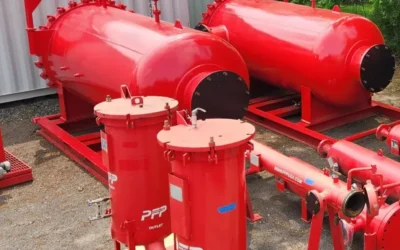
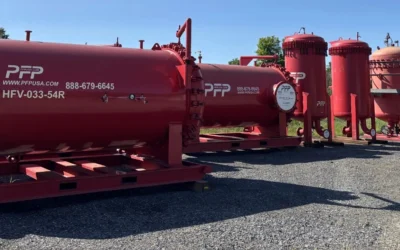
Instead of mobilizing separate filtration systems for each generator, a trailer-mounted treatment system can be positioned at the facility and moved or connected from one accessible fuel system to another.
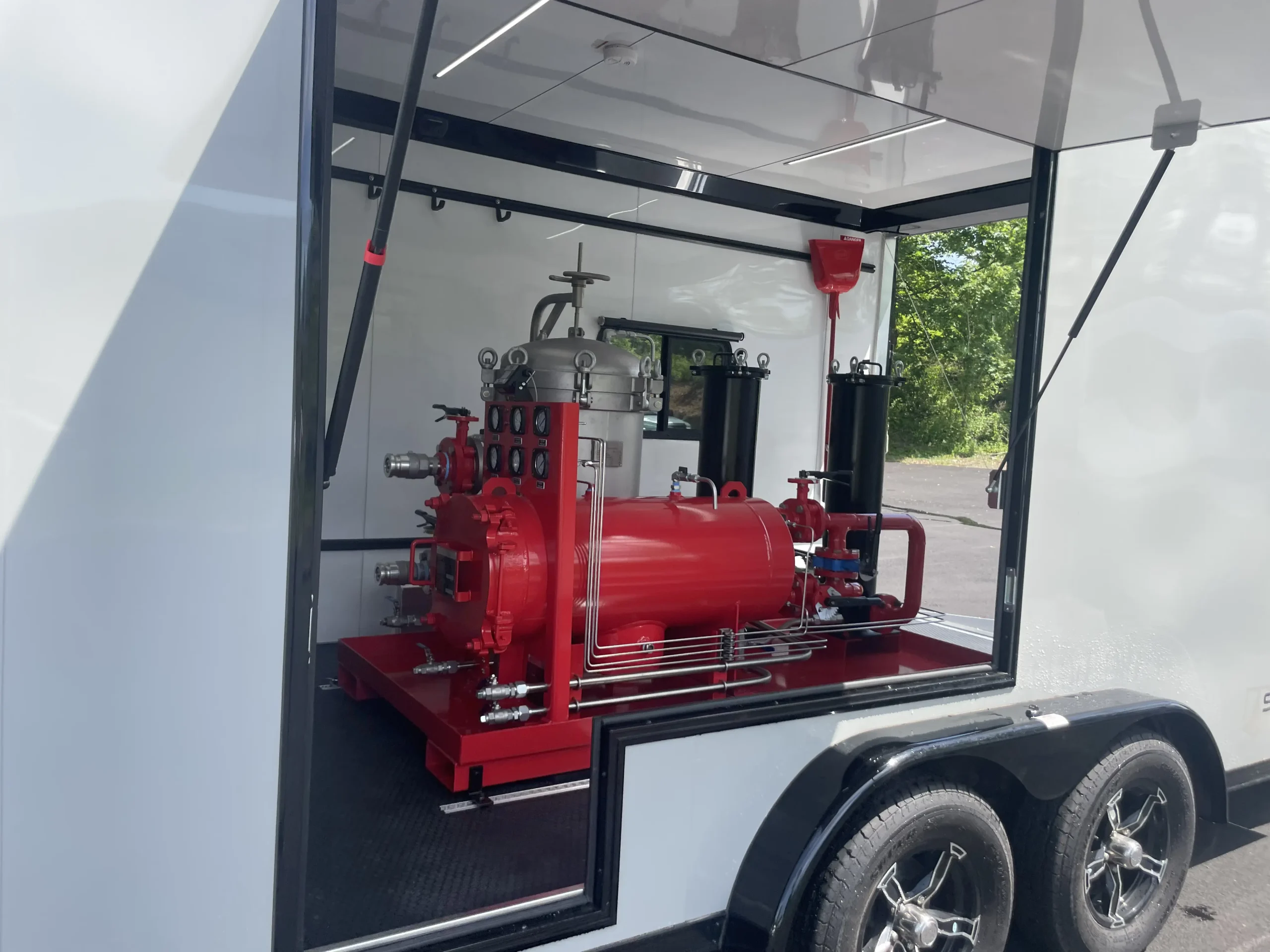
Precision Filtration Products uses trailer-mounted mobile equipment specifically for this type of work.
In one hospital project, testing identified significant water, particulate and microbial contamination in generator fuel. PFP ultimately serviced three storage tanks:
- Tank 1: 15,000 gallons
- Tank 2: 6,000 gallons
- Tank 3: 15,000 gallons
- Total fuel volume: 36,000 gallons
The mobile configuration allowed multiple generator fuel tanks to be serviced in a single day.
For facilities managing numerous emergency-power assets, this type of approach can reduce repeated mobilizations, simplify project coordination and allow contamination across several fuel systems to be addressed during the same site visit.
Failed Fuel Test? Contact PFP for On-Site Diesel Fuel Polishing Services Nationwide
A failed generator-fuel test is a reason to take action – but it is not automatically a reason to dispose of the entire tank.
The first step is determining exactly what failed.
If the problem involves water, particulate, sediment, microbial debris or tank-bottom contamination, the existing diesel may be a candidate for on-site cleaning and restoration. If the problem involves fundamental fuel chemistry or severe degradation, additional analysis may be necessary.
For facilities with several diesel tanks, a mobile service approach can also allow multiple fuel-storage systems to be assessed and treated during a single mobilization.
Precision Filtration Products provides nationwide on-site diesel fuel filtration, tank cleaning, sampling and remediation services using trailer-mounted mobile equipment designed for bulk storage tanks and emergency generator fuel systems.
Our technicians can evaluate the contamination, configure the appropriate filtration and water-removal process, service multiple accessible tanks during the same site visit, and support post-service fuel-quality verification.
Call (888) 679-6645 for Diesel Fuel Polishing & Tank Cleaning Services
Reach out to us to discuss your unique application requirements – our team is happy to help.