

Fuel & Oil
Fluid Analysis
Get immediate insight into the condition of your fuel, oil, & hydraulic fluids without waiting days for lab results.
FLUID ANALYSIS SERVICE
Fast Fluid Analysis. In-House or On-Site.
We can perform particulate and water analysis for fuels and oils both in-house and anywhere in the world utilizing the most precise equipment available in the industry today. Our testing equipment and certified technicians can determine particulate and water concentration in as quickly as 10 minutes. With our service, you no longer have to wait several days for independent lab results.
Our goal is to accurately identify contamination severity and provide the most effective, cost-efficient solution for your unique needs.
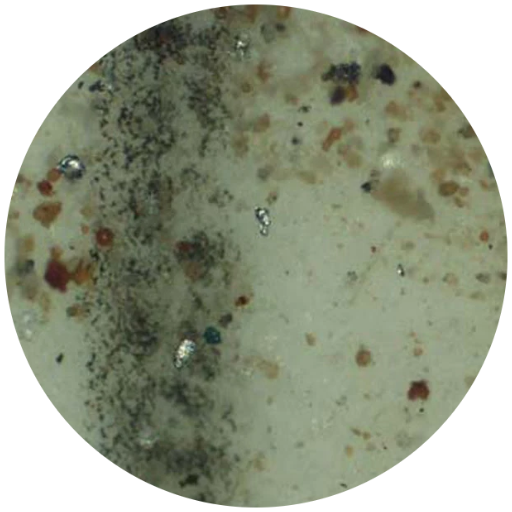
Our 3-Step Analysis Process
Our fuel & oil analysis service is designed to be simple, fast, & effective.
1. Sample Collection
Samples can be collected by our technicans at your facility or sent to us directly. We ensure proper sampling methods are used to deliver accurate & representative reults.
2. Testing & Analysis
Using advanced diagnostic equipment, we perform on-site or in-house testing to measure particle contamination (ISO Cleanliness), water content, and overall fluid condition.
3. Results & Solutions
You receive clear, actionable results along with expert recommendations for filtration, dehyrdation, polishing, or corrective mainteanance.
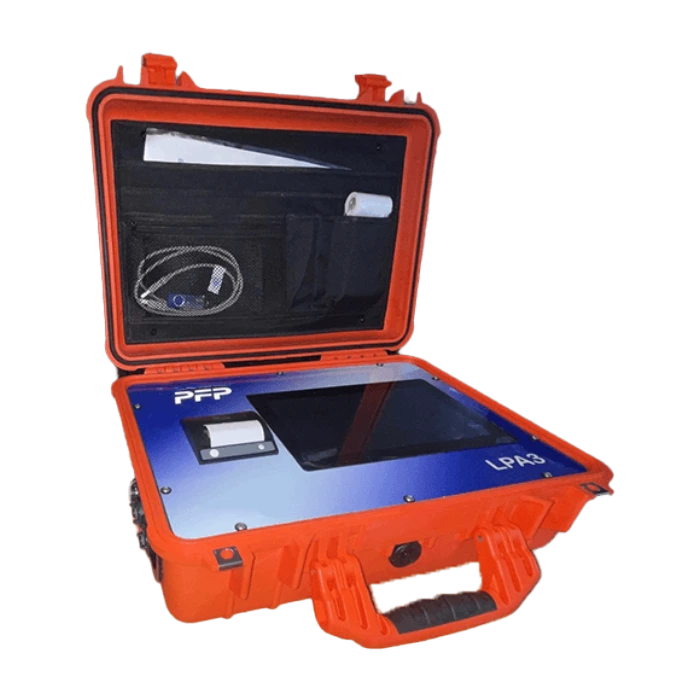
Laser Diode Particle Counters
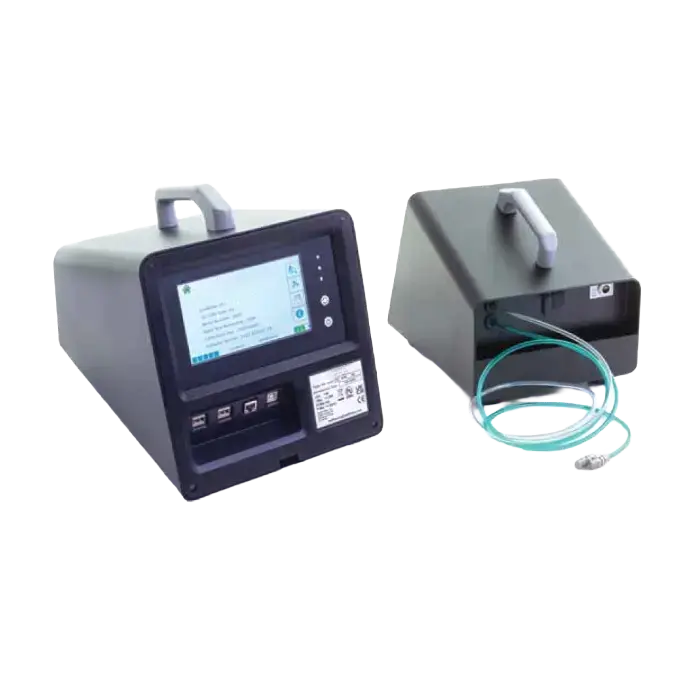
Mesh Blockage Particle Counters
ADVANCED PARTICLE COUNTING TECHNOLOGY
Diagnostic Equipment Available for Rent or Purchase
The same advanced equipment we use in our fluid analysis services is also available for rental or purchase, giving you flexibility to perform testing on your own when needed.
If you’re unsure of what you need, our specialists are happy to discuss your unique application requirements.
Cleanliness Standards We Can Help You Achieve
✔ ASTM D975
✔ ASTM D2276 & D6217
✔ ASTM D6304
✔ ASTM D4057
✔ ISO 4406
✔ NAS 1638
FAQ’s
What is fuel & oil fluid analysis and what does it measure?
Fuel and oil fluid analysis is laboratory testing used to evaluate the condition, cleanliness, and performance of fuels and lubricants. Testing can identify water content, particulate contamination, viscosity changes, wear metals, oxidation, microbial activity, and additive depletion, helping operators understand both fluid health and equipment condition.
Why is fluid analysis important for preventive maintenance programs?
Fluid analysis provides early warning of contamination, abnormal wear, or fluid degradation before failures occur. By identifying issues early, facilities can correct problems proactively, extend equipment life, reduce unplanned downtime, and avoid costly repairs or catastrophic failures.
How often should fuel or oil samples be tested?
Sampling frequency depends on operating conditions, criticality of equipment, and regulatory or reliability requirements. Many facilities test oils quarterly or based on run hours, while stored fuels are often tested annually or semi-annually. High-risk or mission-critical systems may require more frequent sampling.
What types of equipment benefit most from fuel and oil analysis?
Fluid analysis is commonly used for diesel generators, turbines, compressors, hydraulic systems, gearboxes, pumps, engines, and industrial lubrication systems. It is especially valuable for equipment operating under heavy loads, harsh environments, or extended service intervals.
Can fluid analysis detect problems beyond simple contamination?
Yes. In addition to contamination, fluid analysis can reveal abnormal wear patterns, overheating, improper lubrication, fuel dilution, oxidation, and chemical breakdown. These indicators often point to mechanical issues such as bearing wear, seal failures, misalignment, or improper operating conditions.
How does fluid analysis support compliance and reliability in critical operations?
Fluid analysis helps document equipment condition, maintenance practices, and fluid integrity for audits and compliance programs. For critical operations such as data centers, industrial plants, and backup power systems, routine testing supports reliability planning, risk reduction, and informed maintenance decision-making.