Drop us a follow on social media!
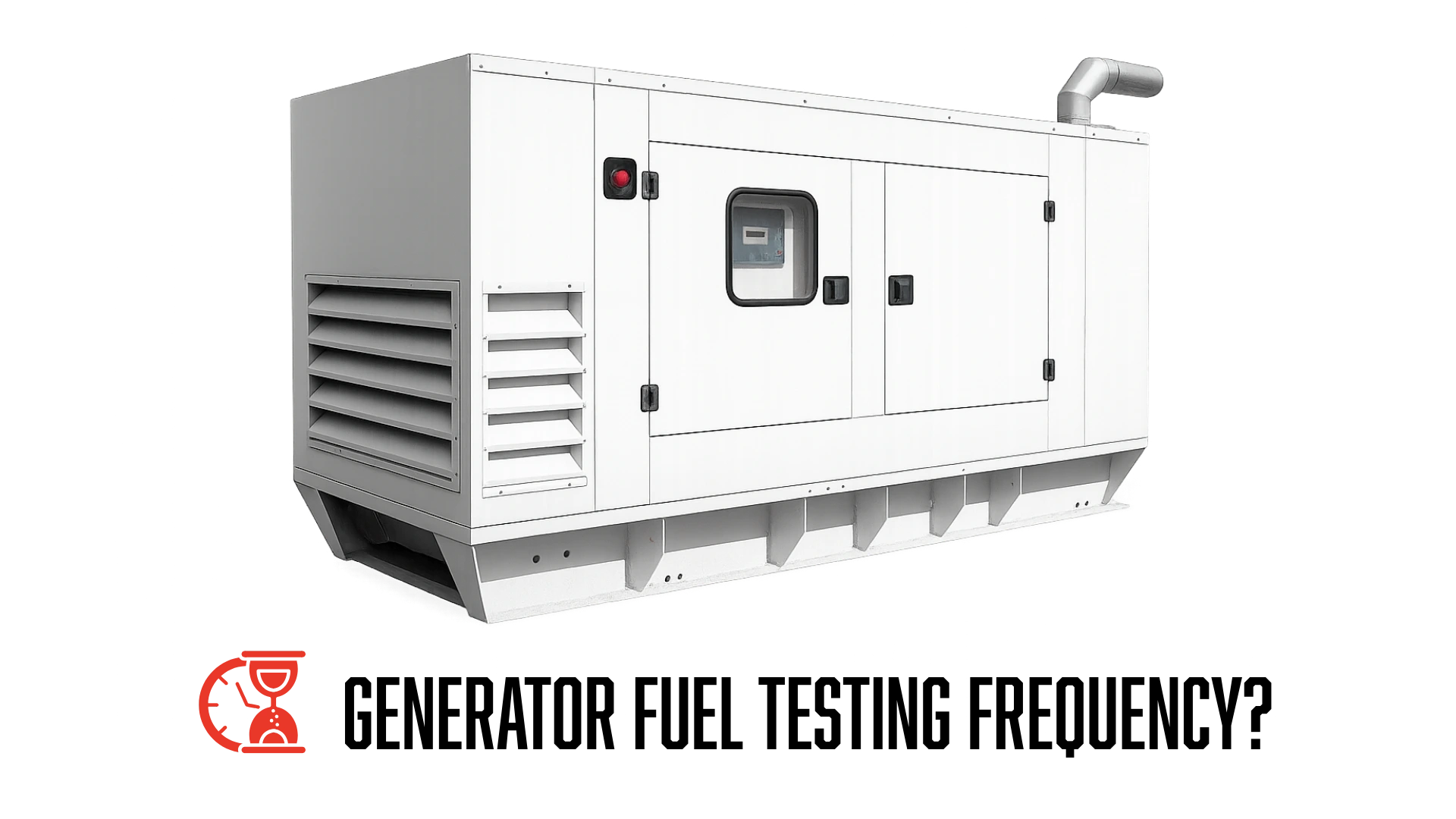
TL;DR – Generator fuel should be tested at least once per year to check for water, microbial growth, and particulate contamination. Critical facilities like hospitals and data centers often test every 6 months or quarterly to ensure backup generators remain reliable during power outages.
Backup generators are critical infrastructure for hospitals, data centers, industrial facilities, and commercial buildings. When power is lost, these systems must start reliably.
However, many facilities overlook one critical factor that directly impacts generator reliability: fuel quality.
Diesel fuel stored in generator tanks can degrade over time, accumulating a variety of harmful contaminants. Without proper testing and maintenance, contaminated generator fuel can lead to unreliable backup power when it’s needed the most!
Understanding how often generator fuel should be tested is essential to maintaining system readiness & protecting not just critical operations/products, but people too.
This blog explains recommended testing frequency & common fuel contamination issues for backup generators.
Why Generator Fuel Needs Regular Testing
Unlike the fuel used in vehicles (which is constantly replenished), diesel fuel in backup generators often sits in storage for months or even years.
During long-term storage, several degredation processes can occur. Even small amounts of contamination can cause major problems in modern diesel engines, particularly those equipped with high-pressure injection systems.
Without regular monitoring, these issues may remain unnoticed until the generator fails during an emergency.
Recommended Generator Fuel Testing Frequency
Industry standards and maintenance professionals generally recommend the following testing schedule for stored diesel fuel:
Annual Fuel Testing (minimum recommendation)
Most facilities should test generator fuel at least once per year. Annual testing helps detect contamination early and provides a baseline for fuel condition over time.
The NFPA 110 Standard for Emergency and Standby Power Systems requires that diesel generator fuel be tested at least annually using appropriate ASTM testing methods to verify the fuel remains suitable for long-term storage.
This schedule is considered the minimum standard for long-term fuel storage.
Semi-Annual Fuel Testing (high-reliability facilities)
Facilities with critical power requirements often test fuel every six months, some of which would be:
- Hospitals
- Data Centers
- Government Facilities
- Emergency Response Infrastructure
- Airports & Transportation Hubs
Some industry guidance based on NFPA 110 annex recommendations and fuel maintenance practices indicates that when fuel quality issues are detected or long-term storage conditions are unsure, additional testing at six-month intervals may be required to ensure fuel remains within ASTM quality limits. These facilities rely on generators for life safety and critical operations, making more frequent testing a proactive & preventative measure.
Quarterly Fuel Testing (high risk environments)
Some facilities perform quarterly fuel testing, particularly when:
- Tanks are exposed to moisture or temperature swings
- Previous contamination has been detected
- Fuel has been stored for multiple years
- Tanks are located above ground
Industry maintenance guidance also notes that when diesel fuel fails testing or shows contamination, additional monitoring every 90 days may be recommended until fuel quality is stabilized or remediated.
More frequent testing allows facility managers to detect changes in fuel quality before serious contamination develops.
Common Contamination Found in Generator Fuel
Routine fuel testing often reveals several types of contamination that can develop in stored diesel fuel. While backup generators may run only occasionally, the fuel stored in their tanks is constantly exposed to rather harsh environmental conditions that gradually degrade its quality.
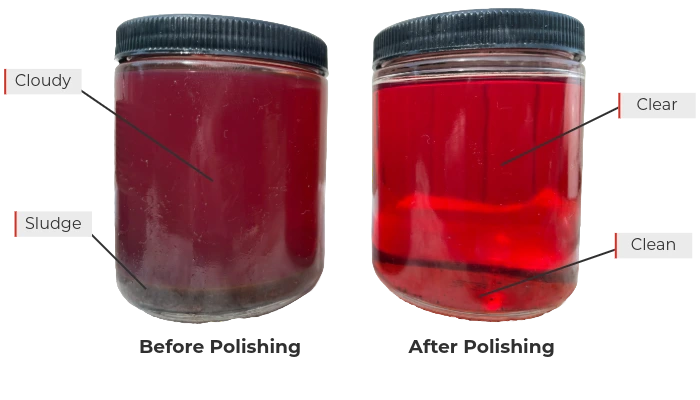
In most generator fuel systems, contamination typically falls into three primary categories: water intrusion, microbial growth, and particulate contamination. Each of these issues negatively affects fuel system performance and engine reliability if left unaddressed.
Identifying the specific type of contamination present is the first step toward determining the appropriate corrective action.
Water Contamination
Water contamination is, by far, the most common issue discovered during generator fuel testing. Even relatively small amounts of water can create significant operational problems within diesel fuel systems.
When water accumulates in storage tanks, it settles beneath the diesel fuel layer. This water layer can promote corrosion within tanks & fuel system components while also serving as a breeding ground for microbes. Water contamination can also disrupt proper combustion within the generator engine. Because modern diesel injection systems operate at extremely high pressures/tolerances, the presence of water can accelerate wear on injectors & fuel pumps.
Over time, excess water may lead to clogged filters & increased maintenance requirements. For this reason, monitoring water content is one of the most crucial aspects of generator fuel quality testing.
Microbial Contamination (“Diesel Bug”)
Microbial contamination occurs when bacteria and fungi begin to growth within stored diesel fuel systems. These microorganisms typically develop in areas where water and fuel meet, allowing them to utilize hydrocarbons within the fuel as a food source.
As microbial populations expand, they form sludge and biofilm deposits that can accumulate throughout the fuel storage system. These deposits often collect along tank bottoms, inside fuel lines, and within filtration components.
Since “diesel bug” often develops over time, routine fuel testing is one of the most reliable ways to detect the problem before it begins affecting generator operations.
Particulate Contamination
Particulate contamination simply refers to the presence of solid debris suspended within fuel. Over time, storage tanks accumulate various types of particulate matter including rust, sediment, degraded fuel residues, and environmental contaminants.
These particles may originate from tank corrosion, fuel degradation, or debris introduced during fuel transfers & deliveries. As contaminated fuel circulates through the generator system, these particles can become trapped within fuel filters.
Modern diesel engines are particularly sensitive to fine particulate contamination, which can damage high-precision fuel injection components. Regular particle count testing allows maintenance personnel to evaluate fuel cleanliness levels and determine whether additional polishing/filtration is required.
Signs Your Generator Fuel May Be Contaminated
Even with a recommended testing schedule in place, many facilities first become aware of fuel issues through changes in system performance or fuel condition.
The challenge is that fuel problems don’t always present themselves clearly. And by the time they do, the contamination may already be affecting the system.
There are a few common indiciators that fuel quality may be declining:
More Frequent Filter Changes
If fuel filters are requiring replacement more often than usual, it’s often a sign that contamination levels are increasing.
Filters are designed to capture particulates and debris, but when they begin loading up quickly, it typically means the fuel itself is carrying more contamination than expected.
Changes in Fuel Appearance
Diesel fuel that appears darker, hazy, or inconsistent in clarity may indicate the prescence of contamination.
While visual inspection alone is not enough to confirm fuel condition, noticeable changes in appearance can signal the need for further testing.
Sludge or Debris in the System
The presence of sludge, sediment, or unusual buildup in tanks or filter housings is a strong indication that contamination has developed over time. This is often associated with microbial activity or long-term fuel degradation.
Inconsistent Generator Performance
Fuel related issues can also show up during operation.
Generators may experience difficulty starting, inconsistent performance under load, or reduced efficiency if fuel quality has been compromised.
PFP's Mobile Fuel Polishing, Testing, & Tank Cleaning Services
For many facilities (especially those with critical backup power systems), fuel maintenance is best handled through a structured service program.
Precision Filtration Products offers professional fuel maintenance services such as:
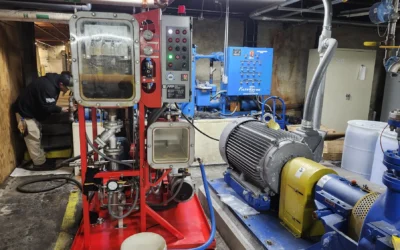
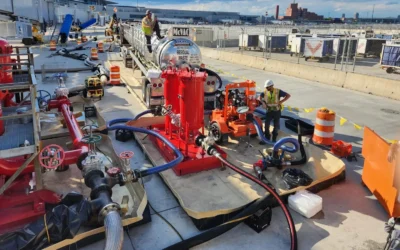
We utilize a trailer-mounted mobile fuel polishing system designed to bring full-service filtration anywhere in your facility. Instead of draining, transporting, or taking systems offline, our mobile units allow us to circulate and clean fuel on-site.
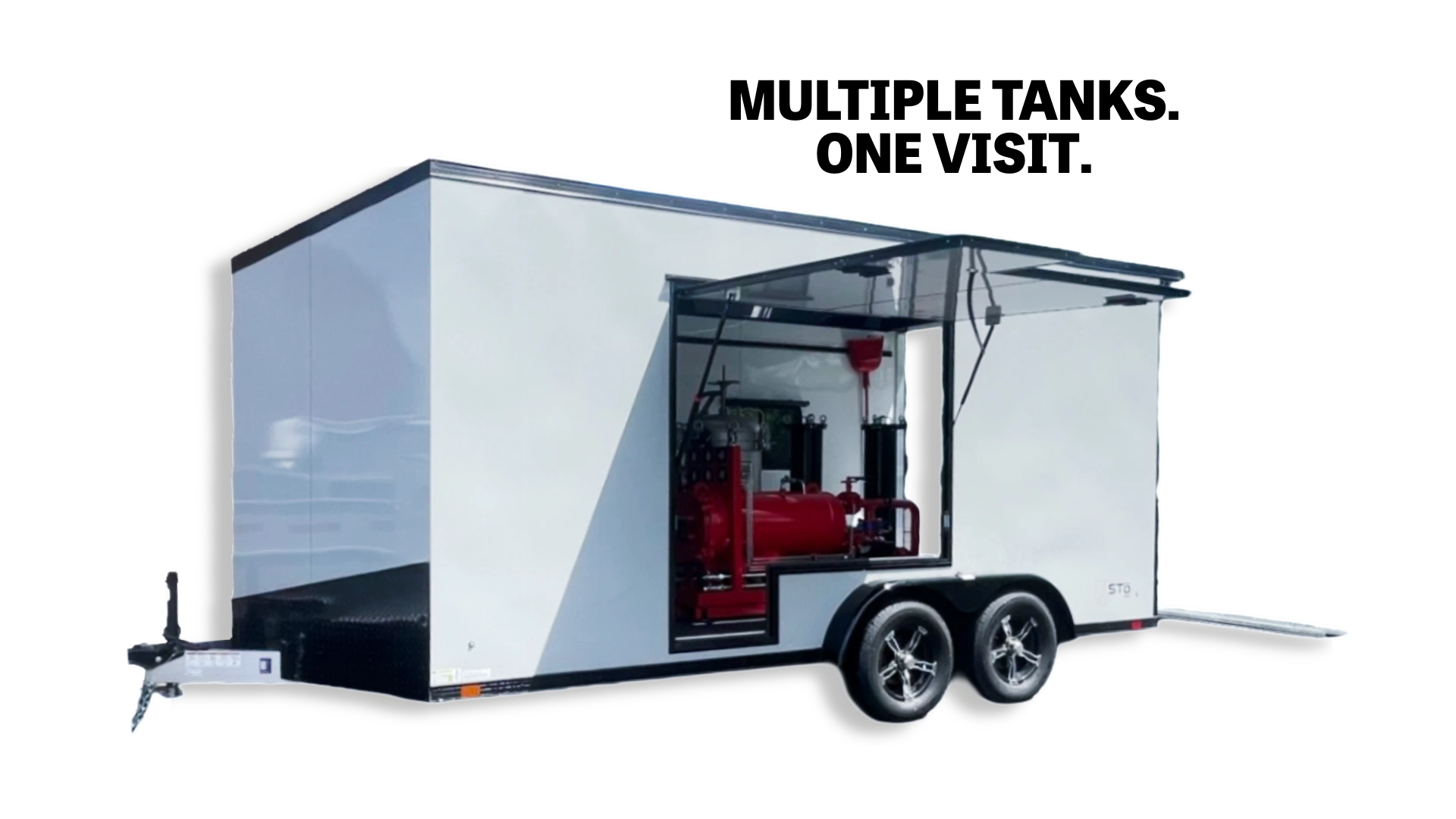
This approach enables us to remove water, particulate, and microbial contamination efficiently & with minimal disruption. This is especially valuable for facilities with multiple tanks or critical backup systems that must remain online.
When was the last time your generator fuel was tested?
If you’re unsure, it may be time to take a closer look. PFP provides complete fuel testing & polishing services to keep your system reliable.
Contact us today to schedule fuel testing & polishing services!