Water contamination in your lube oil? We rent vacuum dehydrators.
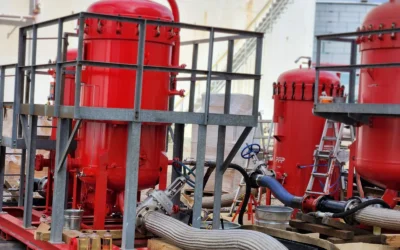
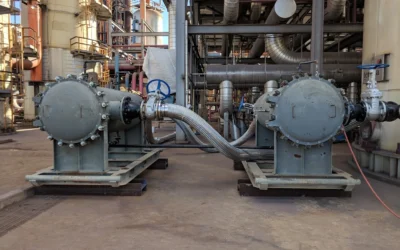
PFP offers industrial vacuum dehydrator rentals for removing free, emulsified, and dissolved water from lube oil systems. Our experts will help you select the right rental or your application.

When water is found in a lube oil system, the next step is not always obvious.
In some severe cases, replacing the oil may be the safest and most practical option. In others, full replacement can be hugely expensive and unnecessary; especially if the oil volume is significant, the fluid is still usable condition, or the issue can be corrected with proper dehydration equipment.
Once water contamination is detected, the question becomes: Can this oil be recovered, or does it need to be replaced?
That decision depends on the amount of water present, the condition of the oil, the type of equipment involved, the cost of replacement, the urgency of the situation, and whether the source of water contamination has been corrected.
Why Water in Lube Oil Requires an Urgent Response
Water contamination is one of the most common and damaging issues in industrial lubrication systems.
Even small amounts of water can reduce lubricating performance, accelerate oxidation, promote corrosion, and contribute to premature component wear.
Common systems affected by water-contaminated lube oil include:
- Turbine Lubrication Systems
- Hydraulic Reservoirs
- Gearboxes
- Compressor Oil Systems
- Paper Machine Lubrication Systems
- Bearing Lubrication Systems
- Circulating Oil Systems
- Large Industrial Reservoirs
Water can be introduced into a lube oil system through failed a wide variety of entry points, including but not limited to:
- Failed Heat Exchangers
- Condensation & Humidity
- Washdown
- Leaking Seals
- Poor Storage Practices
- Rainwater Intrusion
- Maintenance Activity
- Failed System Breathers
Once water is present, the facility has to decide whether to remove it, replace the oil, or take the equipment offline for a more involved corrective action.
That is where vacuum dehydration becomes an important option.
The Three Types of Water Found in Lube Oil
Before deciding whether to dehydrate or replace the lube oil, it helps to understand what kind of water contamination is present.
Water in oil generally exists in three forms: free water, emulsified water, and dissolved water.

Free Water
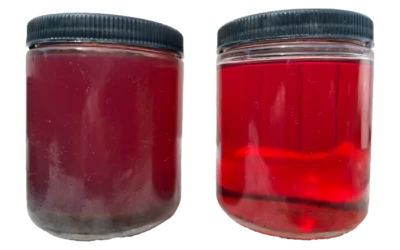
Free water is water that has separated from the oil and collected at the bottom of the reservoir or in low points of the system. This is usually the easiest form of water to identify. It may appear as standing water in a tank, a visible water layer in a sample bottle, or cloudy oil that begins to separate over time.

Emulsified Water
Emulsified water is water that is suspended within oil. Instead of separating quickly, it remains dispersed throughout the fluid. This often causes the oil to appear cloudy, milky, or hazy. Emulsified water can be especially problematic because it moves throughout the lubrication system with the oil and can reach pumps/bearings/valves.

Dissolved Water
Dissolved water is moisture held within the oil at a molecular level. It is not always visible, and the oil may look relatively normal even when moisture is present. This is why oil analysis is important – a visual inspectin may identify severe water contamination, but will not always tell the full story.
When Vacuum Dehydration Makes Sense
Vacuum Dehydration is often the better option when the oil is still usable but contains water that needs to be removed.
In these situations, the goal is to recover the existing oil rather than replace it unnecessarily.
1. The Oil Volume is Large
The larger the reservoir, the more expensive oil replacement becomes.
Replacing a small sump may be simple. Replacing hundres or thousands of gallons of industrial lube oil is a much bigger, much more costly decision. The facility has to consider the cost of new oil, disposal of old oil, labor, downtime, refill procedures, and possible production downtime.
For large reservoirs, vacuum dehydration can often remove water while helping preserve the value of the existing fluid.
2. The Oil Is Still In Good Condition
Water contamination does not automatically mean the oil is chemically spent.
If oil analysis shows that the base oil and additive package are still in acceptable condition, dehydration may be a practical recovery option. In this case, replacing the oil may create unnecessary cost without solving the root issue any better than dehydration would.
The key is determining whether the oil is simply wet or whether it has desgraded beyond a usable condition.
3. The Water Issue Was Temporary
Vacuum dehydration is especially useful when the water contamination was caused by a one time event.
Examaples may include:
- A heat exchanger leak that has been repaired
- Rainwater intrusion during maintenance
- Temporary seal or cover failure
- Improper storage or transfer practices
If the source of water has been identified and corrected, dehydration can help restore the oil without immediately defaulting to full replacement.
4. Downtime Needs to be Limited
Oil replacement can required draining, disposal, cleaning, refilling, flushing, and recommissioning.
Depending on the system, this may be simple – or it may create a significant downtime event.
Vacuum dehydration equipment can often be used as part of a planned maintenance response or temporary rental setup. In some applications, dehydration can be performed while the system is offline for maintenance. In others, the oil can be processed through an external kidney-loop arrangement, depending on the system and site conditions.
For facilities trying to avoid extended downtime, rental dehydration equipment can provide a faster and more flexible response.
5. The Facility Wants to Reduce Waste
Disposing of large volumes of oil is not only expensive, it also creates unecessary waste if the oil could have been recovered. When vacuum dehydration is appropriate, it can help reduce disposal volume, lower replacement cost, and support better fluid management practices.
When Oil Replacement May Be the Better Option
Vacuum dehydration is a powerful water removal method, but it is not always the right answer.
In some situations, replacing the oil is still the better choice.
1. The Oil Is Severely Degraded
If the oil has oxidized heavily, lost additive performance, become chemically unstable, or contains excessive degradation products, removing the water may not be enough.
In this case, dehydration may improve moisture levels but still leave the facility with oil that is no longer suitable for service. Oil analysis can help determine whether the oil is still recoverable or whether replacement is the safer option.
2. The System Contains Heavy Sludge or Varnish
Water is often only one part of the problem.
If the system contains significant sludge, varnish, oxidation products, or heavy insoluble contamination, dehydration alone may not address the full issue. The facility may need a more involved cleaning, flushing, filtration, or oil replacement strategy.
3. The Contamination Source Has Not Been Corrected
If water is still entering the system, dehydration may only provide temporary relief.
For example, if a cooler leak is still active, the oil will continue taking on water even after processing. The same is true for ongoing condensation, failed seals, poor tank ventilation, or recurring washdown exposure.
Before investing in dehydration or replacement, the facility should identify and correct the source of water ingress whenever possible.
Otherwise, the same problem may return.
Need Help with Water in Lube Oil?
Water & moisture content in lube oil should not be ignored. Whether you system needs vacuum dehydration, oil conditioning, or a full oil replacement, PFP can help evaluate the situation and recommend the right next step.
For over 30 years, our team has been supporting industrial facilities with vacuum dehydrator rentals, filtration equipment, replacement filter elements, and on-site filtration services for lubrication and hydraulic systems.
Contact Us – Remove Contamination from Lube Oil
Reach out to us to discuss your unique application requirements – our team is happy to help.